Bedding • Fabric and fit guide
Inside Naturepedic Duvet Covers: Corner Ties, Fabric Weight, and Fit
A duvet cover may look like a simple fabric shell, but its construction has a surprisingly big role in how a bed feels and functions. Corner ties help keep the insert in place, fabric weight shapes the drape, and accurate sizing can make the difference between an invitingly smooth bed and one that bunches by morning.
Published November 9, 2026
Those small details are easy to overlook when choosing bedding. Yet they become very noticeable when an insert slides toward one end of its cover or the corners collapse inside a generously sized shell. Looking closely at Naturepedic’s organic linen duvet cover offers a useful way to understand the practical decisions behind a well-made cover: how it attaches to an insert, what fabric weight tells you, and how to compare dimensions before making the bed.
The example is especially relevant to winter bedding. Linen is often associated with airy summer sheets, but breathable fabric can be useful in colder months too. The goal is not to make every layer as heavy as possible. It is to build a bed that feels warm without trapping excess moisture or becoming cumbersome. Understanding the cover’s materials and construction helps you plan that balance with more confidence.
What a duvet cover actually does
A duvet cover is a removable outer layer for a comforter or duvet insert. It protects the insert from routine contact with skin, household dust, and everyday spills, while also giving the bed a finished surface. Because the cover can usually be laundered separately, it is an important part of a bedding care routine. The insert itself may need less frequent cleaning, depending on its material and the manufacturer’s instructions.
But protection is only part of the story. The cover’s dimensions and internal fastenings affect how the insert sits. The fabric’s texture influences the first sensation against your hands and feet. Its weight and drape affect how the whole bed looks and how easily it can be lifted, folded, or tucked. Those are not merely decorative details; they are daily-use considerations.
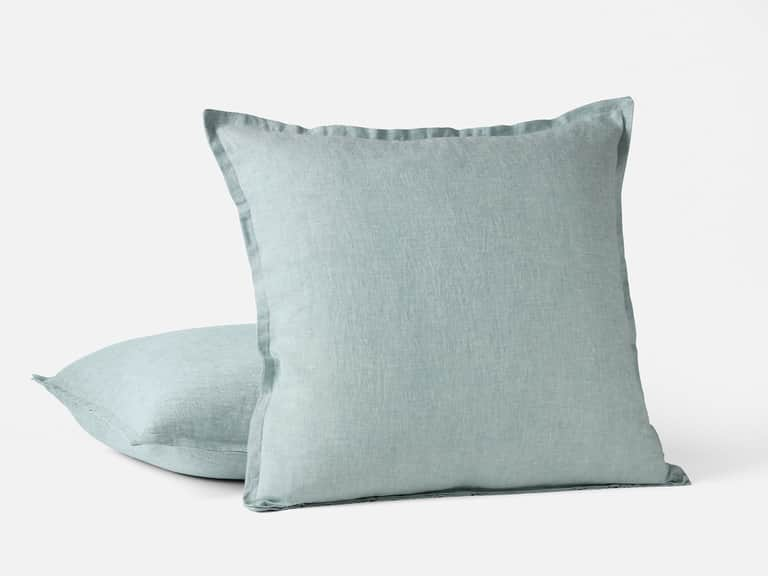
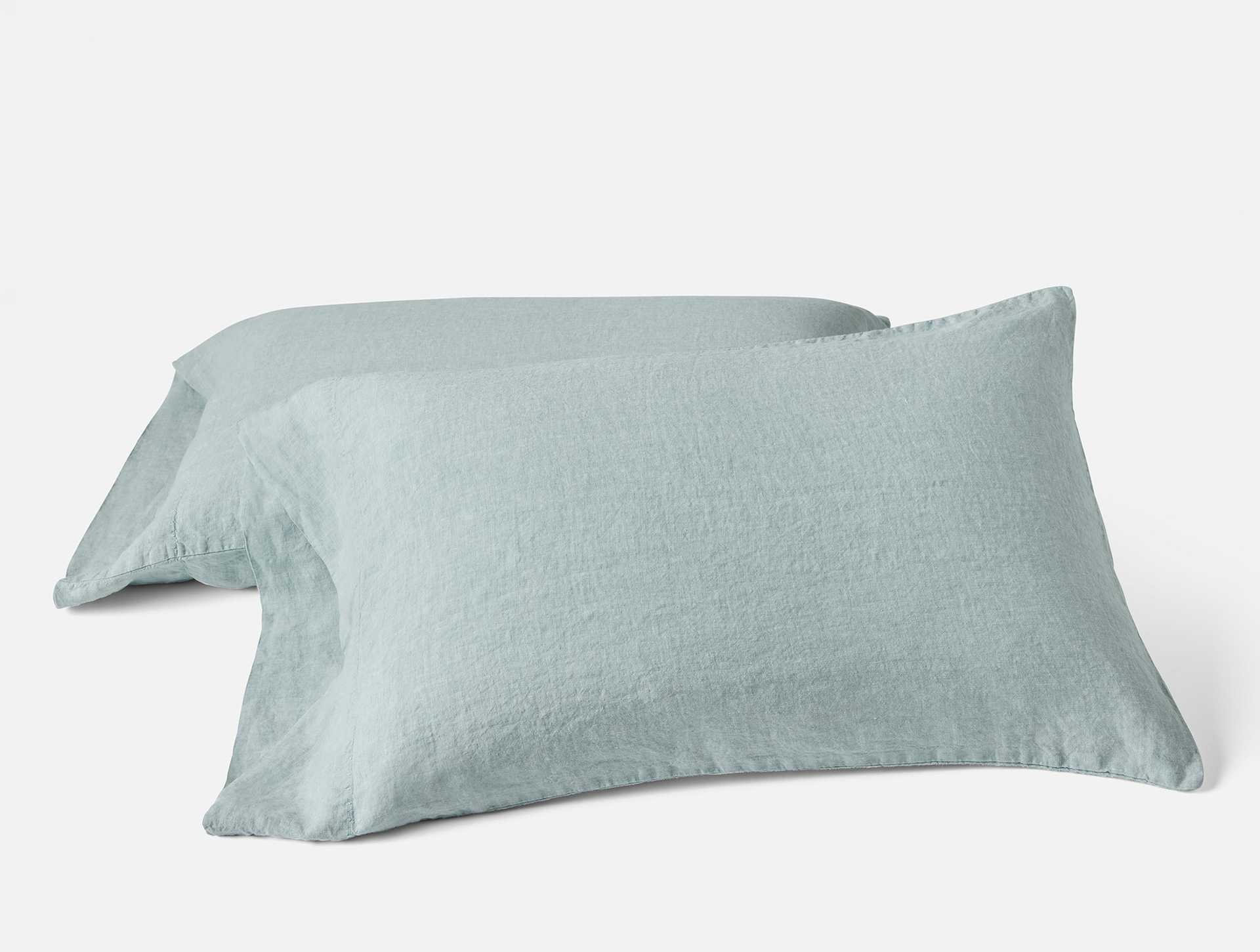
In the Naturepedic example, the duvet cover is described as made from 185-gram-per-square-meter (gsm) GOTS-certified organic flax linen. The set includes a duvet cover and two pillow shams, with corner ties intended to secure the comforter. The listed cover dimensions are 90 by 92 inches for Full/Queen and 106 by 92 inches for King/California King. These measurements and construction notes are useful reference points, though your own insert’s dimensions and care label should always guide the final decision.
Corner ties: a small feature with a practical job
Corner ties connect the inside corners of a duvet cover to loops or other attachment points on the insert. Once fastened, they help limit movement as the bed is used. That can reduce the familiar morning discovery of an insert gathered into a lopsided bundle while the cover hangs empty at the foot of the bed.
Ties do not make shifting impossible. A cover and insert can still move if they are significantly different in size, if the fastenings are left loose, or if the bed is frequently pulled and turned. But when the components are compatible and the ties are secured properly, they help the insert remain more evenly distributed. The result is often a tidier surface and less need to reach inside the cover to reposition the filling.
How to fasten ties without creating a knot of fabric
- Turn the duvet cover inside out and lay it flat, with the opening accessible.
- Place the insert on top, aligning its corners with the cover’s corners.
- Fasten each internal tie to the corresponding loop or attachment point on the insert. Keep the connection secure but not so tight that it pulls or distorts the fabric.
- Turn the cover right side out, then gently shake and smooth the insert into position.
- Check the corners and edges before closing the cover, following the closure instructions provided for that specific design.
Not every insert has loops, and not every cover uses ties. If the two pieces use different attachment systems, avoid improvising with pins or other sharp objects, which can damage fabric or create a safety concern. Instead, check the maker’s guidance and consider whether the insert and cover are designed to work together. Corner ties are helpful, but they are only one part of a well-matched setup.
Fabric weight: what 185 gsm can—and cannot—tell you
Fabric weight is commonly expressed in grams per square meter. In simple terms, it describes the mass of a square meter of fabric. Naturepedic lists its organic linen duvet cover at 185 gsm, which gives readers a useful specification to compare with other textiles. It does not, by itself, tell you exactly how soft the fabric will feel, how warm the bed will be, or how long the cover will last.
Those qualities depend on several things working together: the fiber, yarn, weave, finishing process, and the way the fabric is cared for. Linen is made from flax fibers and is known for a distinct natural texture and relaxed drape. A cover’s weight can contribute to how substantial it feels in the hand, but weave structure and finishing also influence whether it feels crisp, supple, textured, or smooth.
Nor should fabric weight be mistaken for the warmth of the finished bed. A duvet cover is one layer in a system that includes the insert, sheets, sleepwear, room temperature, and the sleeper’s own comfort preferences. A breathable linen cover can be paired with a warmer insert in winter or a lighter one in milder conditions. The cover does not need to provide all the insulation by itself.
For shoppers comparing specifications, the most useful approach is to treat gsm as one clue among several. Read it alongside the fiber content, construction notes, care directions, and the stated dimensions. If a listing does not provide weight, compare samples or product descriptions cautiously rather than assuming that one fabric is warmer or more durable based on a single number.
Linen in a winter bedding system
Linen’s breathability can be useful when winter bedding begins to feel too warm or damp. During sleep, the body releases moisture, and bedding that allows air to circulate may help create a more comfortable-feeling layer. Linen is also often described as temperature regulating, but personal results vary. A person who sleeps hot may appreciate a different combination of layers than someone who prefers a cocoon-like bed.
Winter comfort is best approached through layering rather than relying on a single supposedly perfect textile. Start with sheets that feel comfortable against the skin, add an insert suited to the room and sleeper, and use the duvet cover as the washable outer layer. A blanket can be added or removed as temperatures change. This flexible approach is useful in homes where bedroom temperatures fluctuate overnight.
Organic flax linen can also have a pleasantly tactile, lived-in appearance. It may show natural creasing rather than the pressed, smooth finish associated with some cotton sateen bedding. That relaxed character is a matter of preference, not a sign that a bed has been made incorrectly. For a neater appearance, the cover can be smoothed after laundering; for a softer, casual look, ordinary linen texture is part of the appeal.
Fit: compare the cover with the insert, not just the label
Size labels such as Full/Queen and King/California King are convenient, but they do not guarantee that every cover and insert within a label will have identical dimensions. Before choosing a cover, check the measurements of both pieces. The Naturepedic cover is listed at 90 by 92 inches for Full/Queen and 106 by 92 inches for King/California King. Those numbers should be compared with the insert’s actual width and length, rather than treated as universal standards for every brand.
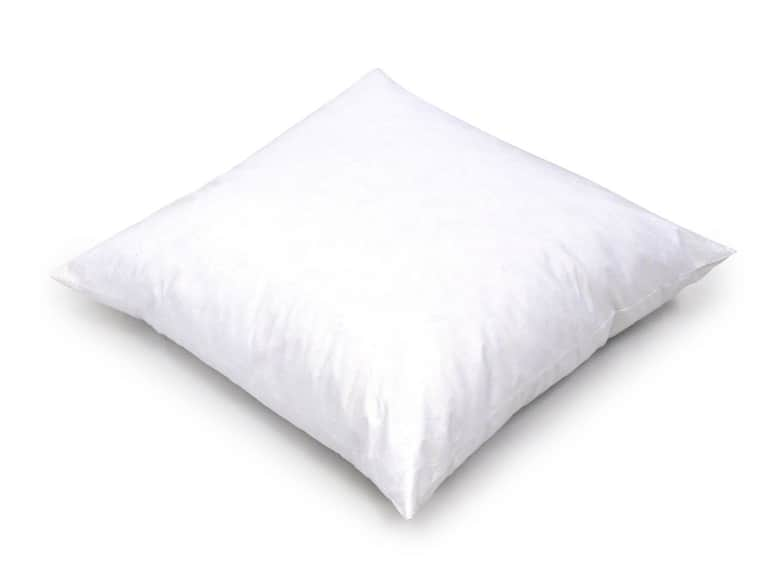
A cover that is too small can compress the insert and make it feel uneven. A cover that is substantially larger may allow more room for the filling to drift, even when ties are present. The ideal relationship is not always a precise one-size rule: inserts can differ in loft, construction, and how much they expand. Follow the maker’s fit recommendations where available, and check whether dimensions refer to the finished cover or an intended mattress size.
A quick fit check
- Measure the insert. Check its width and length when it is laid flat, without pulling or compressing it.
- Read the cover dimensions. Use the listed finished measurements rather than relying only on the bed-size name.
- Consider loft. A thick, lofty insert may occupy more space than a light, flat one with the same measurements.
- Check attachment points. Confirm that the cover’s ties correspond with loops or other fastenings on the insert.
- Allow for personal preference. Some sleepers like a neatly filled cover; others prefer more room for a soft, relaxed drape.
Fit also affects the appearance of the bed. When the insert is distributed evenly, the surface tends to look balanced, with fewer collapsed corners and less fabric pooling at the foot. A properly sized cover can make the bed easier to shake out and remake, a welcome advantage on busy mornings.
Care instructions are part of the construction story
Even thoughtfully made bedding can lose its best qualities if it is laundered in a way that strains the fabric. The Naturepedic listing advises machine washing warm, tumble drying on low, warm ironing if desired, and avoiding bleach. Follow the instructions on the current product label first, since care directions can vary by specific item, finish, or production run.
Before washing, close any fastenings and check that the machine has enough room for the cover to move freely. Overcrowding can make rinsing and drying less effective. Wash similar colors together, use an appropriate amount of detergent, and avoid adding bleach when the care guidance prohibits it. For linen, removing the cover promptly from the dryer can help limit deep creasing; ironing is optional if you prefer a smoother finish.
Drying a large cover evenly can take longer than drying a pillowcase or sheet. If it comes out damp in folded areas, redistribute it before continuing to dry according to the label. Storing it completely dry helps prevent musty odors. Good care is not about making linen look untouched; it is about keeping the fibers clean and the cover usable without unnecessary wear.
Organic certification and careful reading
The Naturepedic specifications identify the linen as GOTS-certified organic flax. Certification language can help readers understand how a product is described and what standards are claimed for its fiber and processing. When sustainability is a priority, check the exact certification named, which item it applies to, and whether the listing identifies the certified material or facility. Clear sourcing information is more useful than a broad environmental phrase on its own.
It is also sensible to distinguish between product facts and general textile expectations. A stated fiber composition, fabric weight, country of origin, or care instruction is a specification to verify on the item’s current label and product information. Claims about comfort, warmth, or sensitivity are more personal: no fabric can guarantee the same experience for every sleeper. If you have a known allergy or a skin condition, consider your individual needs and consult a qualified health professional when appropriate.
Putting the details together
A duvet cover performs best when its materials, fit, and fastening system make sense as a set. Corner ties help restrain movement; dimensions influence how fully the insert fills the shell; and fabric weight offers a useful, though incomplete, clue about the textile’s character. Care instructions determine how to maintain the cover over repeated wash cycles.
Naturepedic’s organic flax cover illustrates how these elements can be evaluated together: a 185 gsm linen fabric, two listed size options, corner ties, a cover-and-shams set, and specific laundering guidance. The practical lesson extends beyond one named collection. Measure before you pair, fasten the corners carefully, and think of warmth as the combined result of several layers rather than a single fabric specification.
That little bit of attention can make a winter bed easier to manage and more comfortable to use. The aim is not a perfectly untouched showroom surface. It is a cover that stays reasonably aligned, feels right for the sleeper, and can be cared for with confidence—night after night, season after season.
Duvet cover checklist
- Compare the cover’s actual dimensions with the insert’s measurements.
- Confirm that ties or other fasteners can connect to the insert.
- Treat fabric weight as one specification, not a complete measure of warmth or softness.
- Build winter comfort with adjustable layers suited to your room and sleep preferences.
- Follow the care label and allow the cover enough room to wash and dry properly.