Bedding & fabric care
Why Wool Comforters Balance Insulation and Breathability
The best winter bedding doesn’t simply pile on warmth. It helps hold a comfortable pocket of heat while allowing excess moisture to escape. Wool’s natural structure can do both, making it a compelling comforter fill for sleepers who want cozy coverage without an overly stuffy feel.
Published October 24, 2026
When nights turn cold, the instinct is understandable: add another blanket, turn up the heat, and hope the bed feels welcoming by bedtime. But warmth alone does not guarantee comfort. A sleep space can become too hot, too damp, or too heavy, leaving someone kicking off the covers at midnight and reaching for them again before morning. The more useful question is not simply how warm a comforter feels, but how it manages warmth over the course of the night.
That is where wool earns its place in the conversation. Wool fibers can help trap insulating air while allowing water vapor to move through the fill. The result may be a reassuringly warm layer that does not feel as sealed-in as some sleepers experience with dense, less breathable bedding. The effect depends on the entire comforter—not just the word “wool” on a label—including its fill weight, quilting, cover fabric, and care requirements.
For anyone considering wool bedding, those details matter. A comforter is a small system: fill provides loft and insulation, the outer shell contains the fill, and stitching helps keep everything distributed. Understanding how those pieces work together makes it easier to choose a layer that suits the room, the season, and the person sleeping beneath it.
How wool can hold warmth without feeling sealed off
Wool’s warmth begins with its structure. The fibers have a naturally crimped shape, and the spaces within and between them can hold still air. That trapped air acts as insulation, slowing heat loss and helping create a warmer microclimate beneath the comforter. The principle is familiar from other insulating materials: air itself is a poor conductor of heat when it remains relatively still.
At the same time, wool is not simply a barrier. Its fibers can absorb moisture vapor and release it into the surrounding air, depending on the conditions. That capacity is one reason wool is often discussed in relation to moisture management. If a sleeper becomes warm during the night, the ability of bedding to handle humidity can contribute to a less clammy sensation. It does not mean wool eliminates sweat or guarantees a dry bed; room temperature, sleepwear, personal physiology, and the rest of the bedding all play a part.
That distinction is useful because “breathable” is sometimes treated as a promise of perfect temperature control. No comforter can know when a sleeper is cold, warm, or moving between the two. Instead, breathability describes how readily heat and moisture can travel through a material compared with a less permeable construction. Wool may help moderate the conditions under the covers, but it is not a substitute for choosing suitable bedding weight or adjusting the bedroom environment.
Wool comforters can also feel different from heavy, tightly packed alternatives. The character of the fill, the shell, and the stitching influences whether a comforter feels airy, springy, substantial, or close to the body. Some sleepers enjoy a light, even layer; others prefer a more enveloping feel. There is no universally perfect sensation. The important thing is to consider both warmth and the way that warmth is delivered.
Fill weight: the warmth question starts here
Fill weight describes how much filling is used in a comforter, though labels and product specifications may present warmth in different ways. A lightweight wool comforter is generally designed to provide a gentler layer than a heavier winter-weight option. It may work well in a heated home, for someone who tends to sleep warm, or as part of a flexible bedding arrangement. A heavier fill may be more suitable for a colder room or a sleeper who wants more insulation.
Neither choice is automatically better. A warm bedroom can make a thick comforter uncomfortable, while a light layer may leave a cold sleeper searching for extra coverage. Personal preference is important, but so are practical conditions: the thermostat setting, the insulation of the home, whether the bed is near a drafty window, and the season in which the comforter will be used.
One example is the Suite Sleep washable wool comforter, described as a lightweight option filled with super-washed wool. Its cotton sateen cover is quilted to the wool fill, a construction detail intended to keep the filling in place and help prevent clumping. Those specifics make it useful as an example of how to read a comforter description: “wool” tells only part of the story; weight, cover, quilting, and care instructions complete the picture.
When assessing any wool bedding, check whether the listed weight is described as lightweight, medium, or warm, and look for dimensions and construction notes. These details are more helpful than relying on a season label alone. “Winter comforter” can mean different things in a well-heated apartment and a chilly older home.
Why the cover and quilting matter
The outer fabric is the first surface the sleeper feels, but it also affects how the comforter behaves. Cotton is a common shell material because it is familiar, washable in many constructions, and can feel soft against the skin. A sateen weave, such as the organic cotton sateen cover described for the Suite Sleep example, tends to have a smoother hand than a crisp percale weave. The weave does not change the wool’s identity, but it can change the overall touch and drape.
Quilting is functional as well as decorative. Stitches connect the cover to the filling at intervals, helping limit migration and uneven distribution. If fill shifts, one area may feel thicker while another becomes thinner, affecting both comfort and warmth. A quilted construction can help keep the layers more stable, though the spacing and pattern of the quilting will vary from one comforter to another.
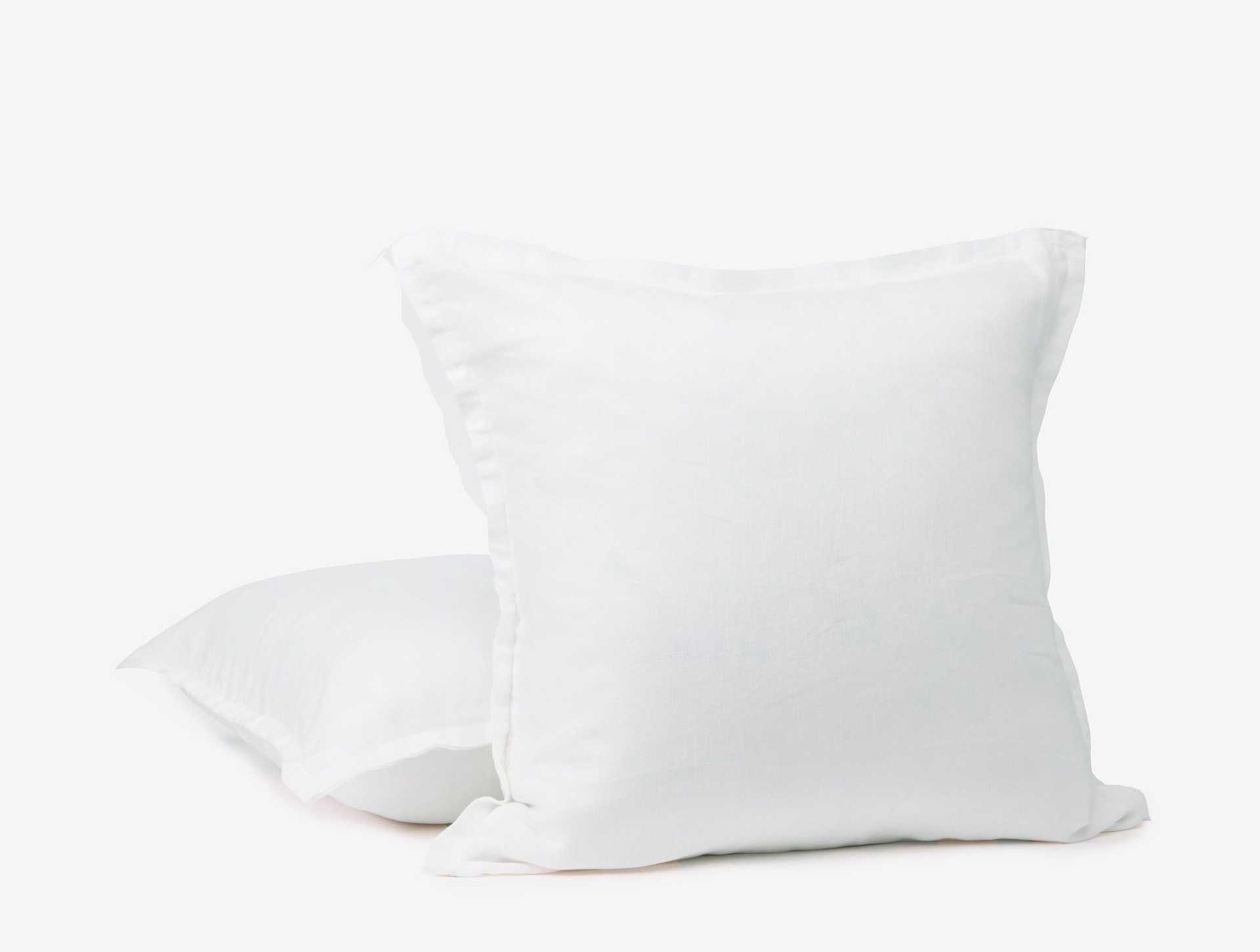
It is worth examining the full materials description rather than making assumptions based on the shell. A wool-filled comforter may have a cotton cover, a synthetic cover, or a blend. Those materials have different textures and care needs. For people with sensitive skin, the shell is especially relevant because it is the surface closest to the sheets and body. A duvet cover can create another washable layer and protect the comforter from everyday soil, but it also adds a layer of fabric that may alter the feel and drape.
A balanced bed is built in layers
A comforter does not need to do every job by itself. Sheets, blankets, and a duvet cover all shape the bed’s warmth and feel. For example, a breathable sheet layer and a lightweight wool comforter may provide enough coverage in a moderately heated room. In a colder space, a separate blanket can be added so the sleeper can adjust the layers more easily than with one exceptionally heavy comforter.
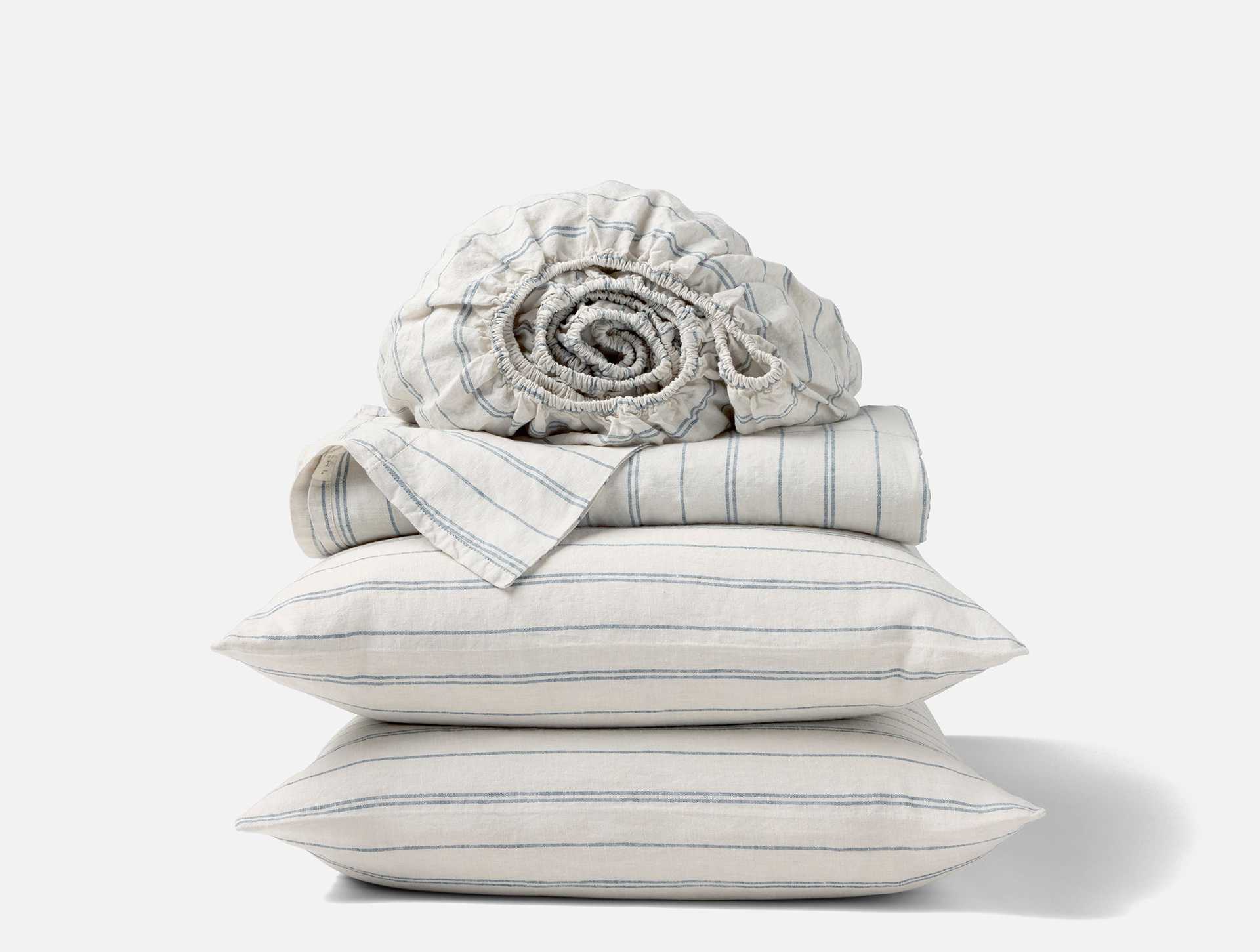
The fabric against the skin matters, too. Linen and cotton sheets have different textures and drape, while flannel is often chosen for a brushed, cozy surface. A breathable sheet does not cancel out an excessively warm comforter, but choosing layers with different weights can make it easier to fine-tune comfort. For households where sleepers prefer different temperatures, separate blankets or a lighter shared comforter may be a simple practical solution.
Airflow around the bed can also affect how warm bedding feels. A room with a steady, comfortable temperature may make a lighter comforter more versatile. A drafty room can make the same bedding feel inadequate. Rather than assuming that a particular fiber guarantees comfort, think of bedding as one part of a larger environment that includes the room, mattress, pajamas, and personal sleep habits.
The care label is part of the comforter’s design
Wool’s performance is only one side of the decision. The other is upkeep. Wool fibers can be damaged or changed by unsuitable combinations of heat, agitation, and moisture. Some wool bedding is spot-clean or professionally cleaned, while some products are specifically constructed to tolerate careful home laundering. Never assume that every wool comforter can go into a washing machine just because another one can.
The Suite Sleep example is described as machine washable in cold water on a gentle cycle in a front-loading washer. Its guidance also recommends air drying in the sun or tumble drying on a low setting until almost dry, then finishing flat to help prevent clumping and felting. Those directions are product-specific. A top-loading machine, a crowded drum, hot water, or a vigorous cycle may create more stress on a bulky textile than the maker’s instructions allow.
When washing a comforter at home, first confirm that the machine has enough capacity to let the item move freely. If it is compressed into the drum, washing and rinsing may be uneven. Use the detergent and amount recommended on the care label; excess detergent can be difficult to rinse from a large, absorbent item. Avoid bleach, fabric softener, or other additives unless the maker specifically says they are suitable.
Drying deserves particular attention. A comforter that feels dry on the outside may still retain moisture within its fill. Incomplete drying can leave a musty odor and may affect the item’s condition. Follow the label carefully, allowing ample time and checking the comforter before putting it back on the bed. If a product’s washing instructions feel difficult to follow at home, professional cleaning or a protective duvet cover may be a more practical approach.
Gentle upkeep can mean fewer full washes
Full laundering is not always necessary after ordinary use. A duvet cover can take much of the routine contact and is usually easier to wash than the comforter inside it. Regularly airing bedding, addressing small spills promptly, and keeping the bed protected from food or drink can help reduce the need for frequent deep cleaning. These habits are useful for many types of comforters, not only wool.
If the comforter needs refreshing, follow the care instructions rather than relying on a general rule found online. Some makers may allow airing or a specific cleaning method; others may advise against certain treatments. Avoid assuming that direct, prolonged sun exposure is appropriate for every textile, particularly if the shell is dyed or the manufacturer advises otherwise. When in doubt, the product’s label and care guidance take priority over generic advice.
Storage matters between seasons. Before putting a comforter away, make sure it is clean and completely dry. Store it in a breathable fabric bag or another suitable container in a dry place, rather than sealing damp bedding in plastic. Avoid compressing it for long periods if the fill’s loft could be affected. When it comes back into use, give it time to air and regain its shape.
What to look for when comparing wool bedding
Comparing comforters becomes easier when the questions are specific. Instead of asking whether one is simply “warm,” look for how its construction aligns with your room and habits. A useful checklist includes:
- Fill and weight: Is the wool fill described as lightweight or warmer, and does that match your bedroom temperature?
- Shell fabric: What material touches the sleeper, and does its texture suit your preferences?
- Quilting: Is the fill stitched or otherwise secured to reduce shifting?
- Care: Is home laundering allowed, and are there limits on water temperature, cycle type, machine style, and drying?
- Size: Does the comforter provide enough coverage for the mattress and the way the bed is shared?
- Use: Will it be used alone, under a duvet cover, or as one layer in a seasonal bedding system?
It is also wise to distinguish between material claims and personal outcomes. Wool’s structure may support insulation and moisture management, but a description cannot promise that every person will sleep at a particular temperature. Someone who sleeps hot may still prefer a very light layer; someone in a cold room may need more insulation than a lightweight comforter provides. The most satisfying choice is usually the one that matches a real sleep environment, rather than an idealized image of winter coziness.
A practical way to think about winter comfort
Wool comforters appeal because they bring together two qualities that can seem at odds: warmth and breathability. Their fibers can hold insulating air, while their ability to interact with moisture vapor may help bedding feel less stuffy for some sleepers. But wool is not a magic thermostat. The fill weight, shell, quilting, room temperature, and care routine all influence how the comforter feels and how well it lasts.
The Suite Sleep washable wool comforter illustrates why the details are worth reading. Its lightweight wool fill, quilted organic cotton sateen cover, and specific gentle-washing directions each tell part of the story. Together, those features help a reader judge whether the construction and maintenance expectations fit their household.
For a cozy bed that works beyond a single cold spell, start with the conditions you actually sleep in. Consider whether the room runs warm or cool, whether you prefer a light or substantial layer, and how much care you are prepared to give a bulky textile. Build warmth with adjustable layers, protect the comforter with a cover when appropriate, and follow the product’s own instructions when cleaning. That thoughtful approach turns winter bedding from a one-size-fits-all promise into a more comfortable, personal routine.