A Practical Guide to Choosing Linen Sheets: From Fiber to Finish
An in-depth guide to selecting linen sheets that balance comfort, durability, and sustainability. Explore fiber quality, weave, and care considerations to help you pick sheets that age gracefully in winter and beyond.
1) Why Linen Sheets Feel Unlike Other Bedding
Linen is not just a fabric; it’s a living experience. Its fibers—long, strong, and naturally moisture-wicking—offer a breathable "second skin" that adapts to your body. In winter, linen sheets can be surprisingly cozy when paired with the right duvet and layering strategy. The fiber origin, typically flax grown in regions with cooler climates, contributes to a texture and performance that softens with each wash. The magic lies in the balance linen strikes between cool, crisp hand and warmth when layered properly.
From a lifestyle-magazine perspective, linen sheets are a quiet statement of sustainability and tactile luxury. They age with grace, revealing character through subtle wrinkles and a slowly developing softness. In this guide, we’ll walk you through how to choose linen sheets that suit your climate, sleep style, and care preferences—without getting lost in marketing jargon.
2) The Core Fiber Talk: What Makes Linen Stand Out
Linen sheets derive their remarkable breathability from flax fibers. The fiber length, weight, and fineness influence feel and durability. Here are key terms to know:
- Fiber origin: Linen is made from flax, often grown in France or Belgium, with weaving/finishing occurring in countries like Portugal or Italy. The cycle from field to sheet plays a crucial role in texture and performance.
- Weight (gsm): Linen weights vary. Heavier linen (higher gsm) feels more substantial and drapes differently; lighter linen breathes quickly and feels cooler to the touch.
- Fiber length: Long-staple flax fibers yield smoother surfaces and better durability, contributing to a more even, luxurious hand over time.
- Pre-washing and finishing: Stone-washed or garment-washed linen softens faster and reduces initial stiffness. Finishes can impact softness, wash durability, and how the fabric behaves under heat.
3) Weave, Finish, and Feel: How Linen Sheets Are Made
Linen sheets arrive in a spectrum of hand and touch. A plain weave yields a crisp, breathable surface, while a softened finish can create a silkier feel. Finishes like stone-washed linen bring a lived-in texture that many sleepers find comforting. When choosing, consider how the weave and finish align with your winter layering strategy.
Practical considerations include:
- Stone-washed vs garment-washed: Stone-washed linen often feels softer from the start, with a relaxed hand. Garment-washed linen may feel slightly more uniform but can still soften quickly with wash cycles.
- Fit and mattress depth: Deep-pocket fitted sheets ensure a secure fit on taller mattresses, which is important for staying snug through winter sheets and comforters.
- Care durability: Linen handles frequent washing well, but proper care preserves its integrity—gentle cycles, mild detergents, and avoiding excessive heat.
4) How to Read a Linen Sheet Product: From Brand to Finish
Modern brands often blend tradition with innovation. When evaluating sheet sets, look beyond aesthetics to these practical cues:
- Origin and certification: GOTS certification (where applicable) signals organic flax and responsible production practices.
- Weave and weight: A linen sheet labeled as “plain weave” typically offers a cool, breathable surface. Weight (gsm) informs how substantial the fabric feels.
- Finish and softness: Stone-washed and garment-washed finishes affect initial hand and how the fabric breaks in over time.
- Care instructions: Linen loves cold or warm gentle cycles, avoiding harsh detergents and high heat in drying.
- Fit details: Deep pockets and full elastic ensure a secure night’s sleep, even when tossing and turning under a heavy winter duvet.
5) A Closer Look at Notable Linen Sheet Solutions
The market offers a spectrum of linen sheet sets with different finishes and commitments. Let’s look at a few representative examples and what they promise.
Naturepedic Organic Linen Sheets
GOTS-certified, linen sheets woven from French flax, with a durable stone-washed finish. They balance breathability with a sense of lasting softness and a refined look.
Key takeaway: reserve space in your winter layering for breathable warmth that doesn’t trap moisture.
Downtown Company Layla Linen Sheet Sets
Stone-washed linen from a mill with over a century of expertise; natural flax fibers provide breathable, temperature-regulating comfort. Designed for year-round use.
Key takeaway: linen’s temperature regulation shines in layered winter setups when paired with a wool or cotton blend duvet.
6) A Practical Guide to Selecting Your Linen Sheets
With winter in mind, here are practical steps to help you pick linen sheets that age gracefully and fit your bed like a tailored winter coat.
- define your climate and sleep temperature: If you heat your bedroom modestly, a lighter linen with breathability remains key to avoid overheating while layering with a warm duvet.
- consider finish and feel: If you prefer immediate softness, garment-washed or stone-washed linen tends to feel warmer and more relaxed on first touch.
- check the depth and fit: Ensure your fitted sheet accommodates your mattress depth, plus any toppers or extra layers you use in winter.
- look for certifications: GOTS certification and reputable mill credentials signal commitment to organic materials and ethical production.
- plan for longevity: Linen improves with every wash when cared for properly, so invest in good laundry habits and avoid aggressive drying cycles.
7) The People Behind Linen: A Look Across Time
Linen has a long, storied history. Three key figures from different time periods illustrate humanity’s evolving relationship with fabric, craft, and everyday luxury:
- Ancient Egypt and Early Bronze Age Europe: The earliest linen fabrics were born in civilizations that valued flax-based textiles for their cooling properties and comfort in hot climates. Linen’s reputation as a premium fiber traces back millennia, with artisans mastering the loom to produce breathable, durable sheets for households that prioritized ritual cleanliness and daily care.
- 14th–16th centuries: the Belgian and Dutch loom masters: In the medieval and early modern periods, linen became a symbol of craftsmanship and status in Northern Europe. Weavers refined finishing techniques and linen’s texture, weaving intricate patterns and finishing methods that would influence Western bedding aesthetics for centuries. Their work laid the groundwork for modern linen brands that celebrate heritage and sustainability.
- 21st century: contemporary textile designers: Today’s designers bridge tradition and science, combining organic farming, GOTS certification, and sustainable weaving practices with modern aesthetics. They champion visibility of provenance—where flax is grown, how it’s spun, and the lifecycle of each sheet—while delivering products that feel luxurious and responsible.
8) Editorial Notes: The Brand You’re Building
If you’re building a site around winter textiles with a focus on education, consider a clear editorial voice that blends warmth with expertise. A few quick style directives:
- Use accessible language to demystify textile terms for beginners.
- Pair technical tips with warm, hygge-inspired storytelling that invites readers into a cozy winter routine.
- Offer printable resources (care charts, fabric glossary, quick-start guides) to support practical, non-commercial utility.
9) A Featured Product Spotlight
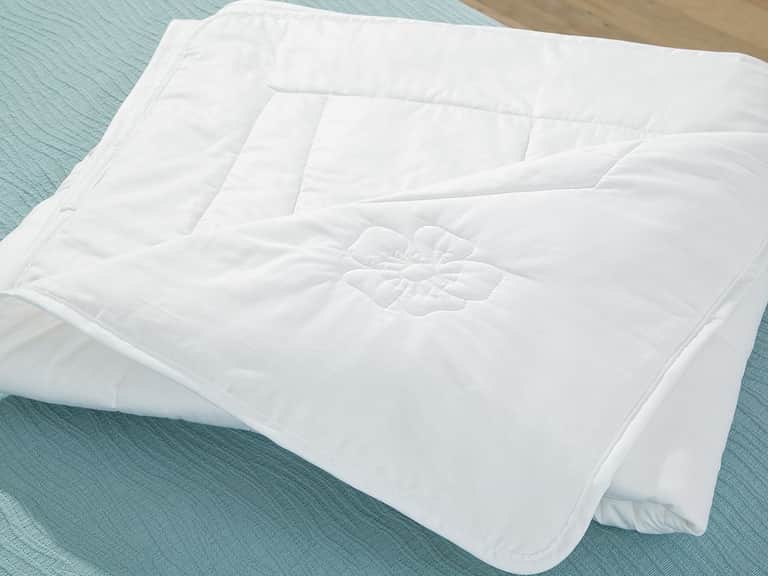
A standout among linen bedding options is the Downtown Company Summer Linen Summer Comforter, a versatile piece that exemplifies how linen blends and breathability translate into practical winter layering when used in a multi-piece bedding system.
Downtown Company Summer Linen Summer Comforter
A lightweight yet insulating comforter featuring a natural cotton-linen fill. It balances moisture management with temperature regulation, staying cool when nights are warm and providing a breathable layer for winter layering.
Care: Dry cleaning recommended; built for year-round use in a temperate climate.
Notes: The product spotlight above is representative of how linen layering can be interpreted for winter comfort. When used with heavier winter linens, linen’s breathability helps maintain dryness and comfort. This example features a soft, natural fiber blend designed for year-round usability.
10) Quick Reference: Care, Safety, and Sustainability
Caring for linen sheets properly is a cornerstone of longevity. Here’s a concise checklist:
- Wash in cold or warm water on a gentle cycle with mild, preferably plant-based detergents.
- Avoid heavy fabric softeners and chlorine bleach, which can degrade fibers over time.
- Tumble dry on low or line dry; remove promptly to minimize wrinkles and reduce heat exposure.
- Iron on a cotton setting if desired, while linen looks appealing with natural texture and creasing that tells a story.
11) Closing Thoughts: Embracing Linen as a Winter Essential
Linen sheets are more than a bed covering; they’re a lifestyle choice rooted in sustainability, comfort, and timeless design. Their breathable, temperature-regulating nature makes them a compelling choice for winter when layered with other textiles—think wool throws, flannel blankets, and a duvet that anchors the bed. The best linen sheets age gracefully, revealing softer textures and more character with every wash.
As you curate your winter sleep environment, remember that the strongest bedding choices are the ones that tell your personal story—of mindful sourcing, careful care, and a home that feels both luxurious and inviting.